Energy-efficient refurbishment of the Martinusquelle Clinic
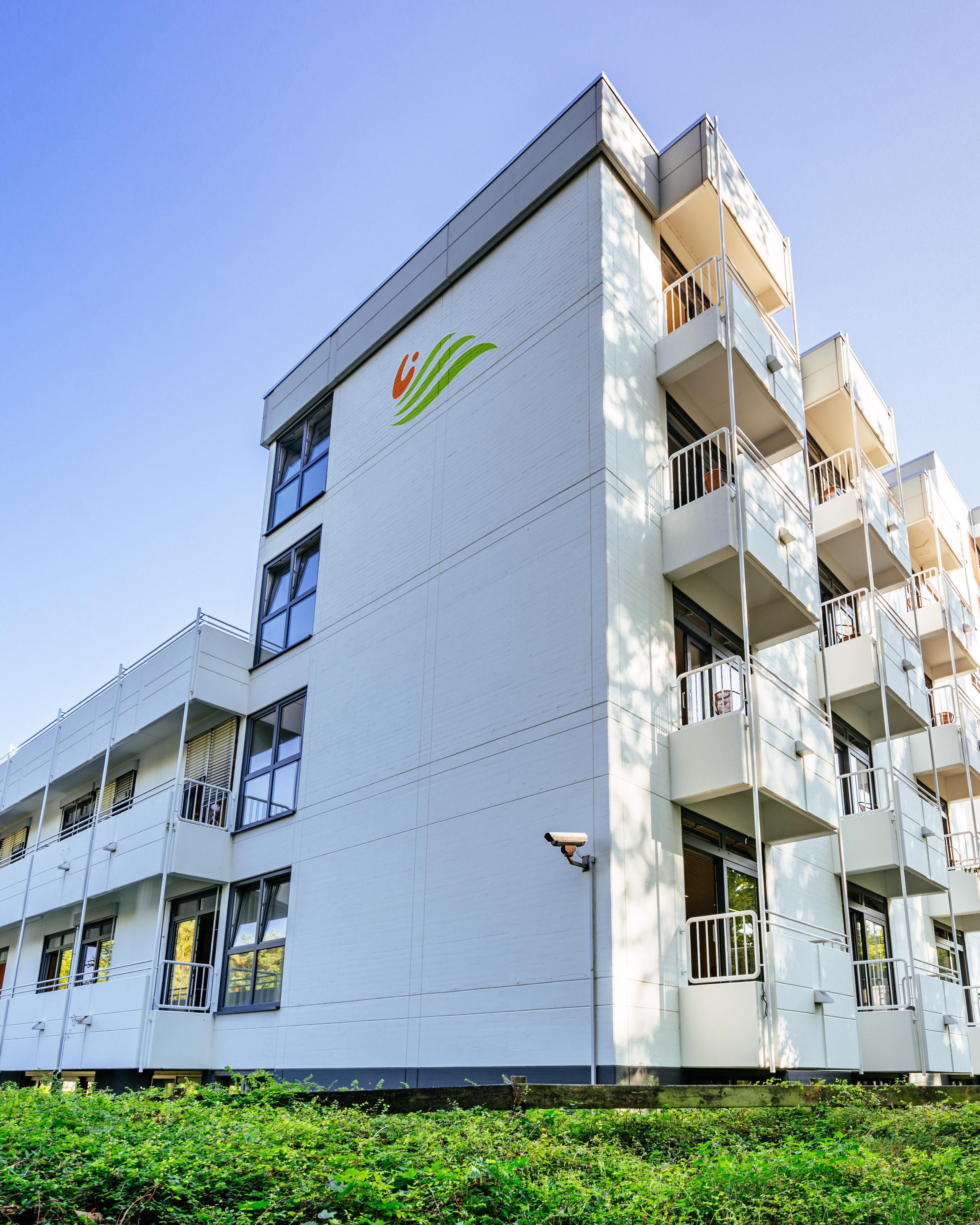
The Medical Center for Health Bad Lippspringe (MZG) is setting an example for sustainable management in the healthcare sector with a comprehensive energy refurbishment of the Martinusquelle Clinic. The aim is to significantly reduce energy consumption and make the facility climate-neutral in the long term.
Is climate protection possible in the healthcare sector?
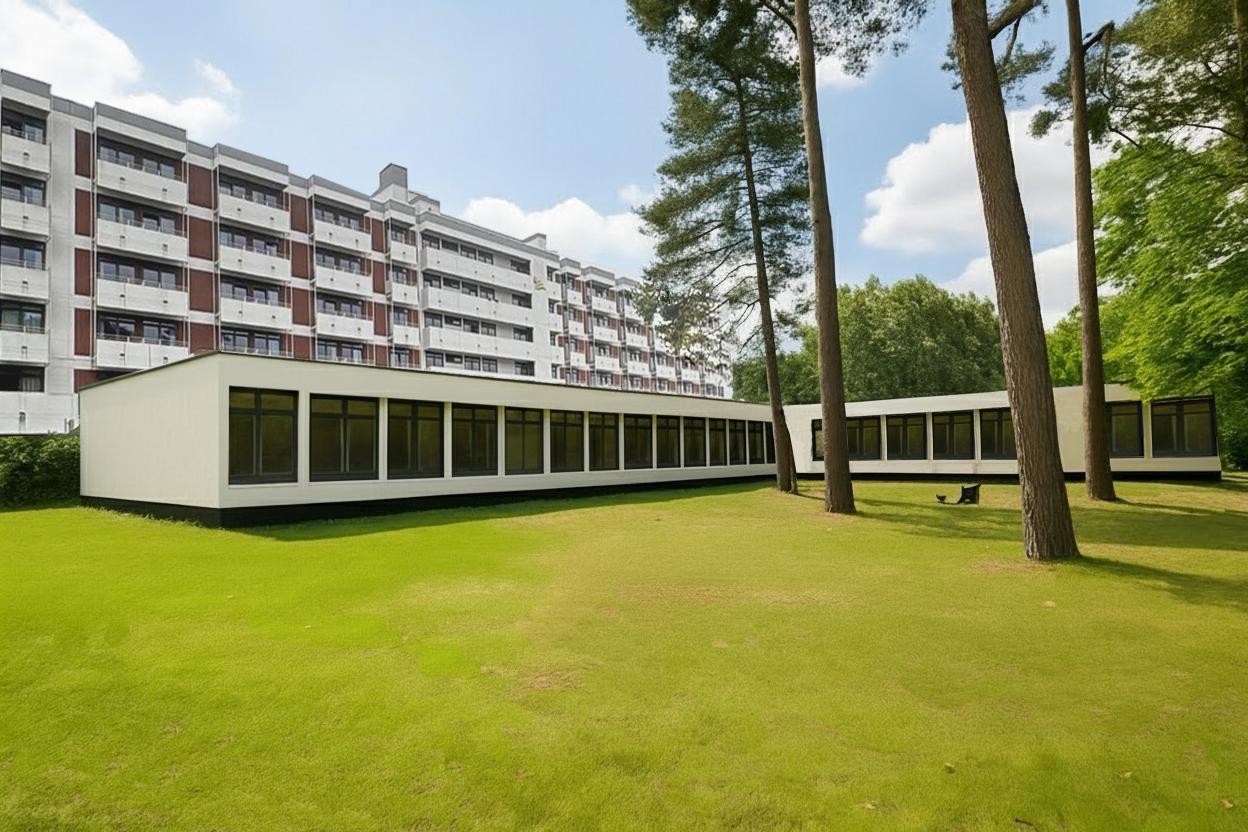
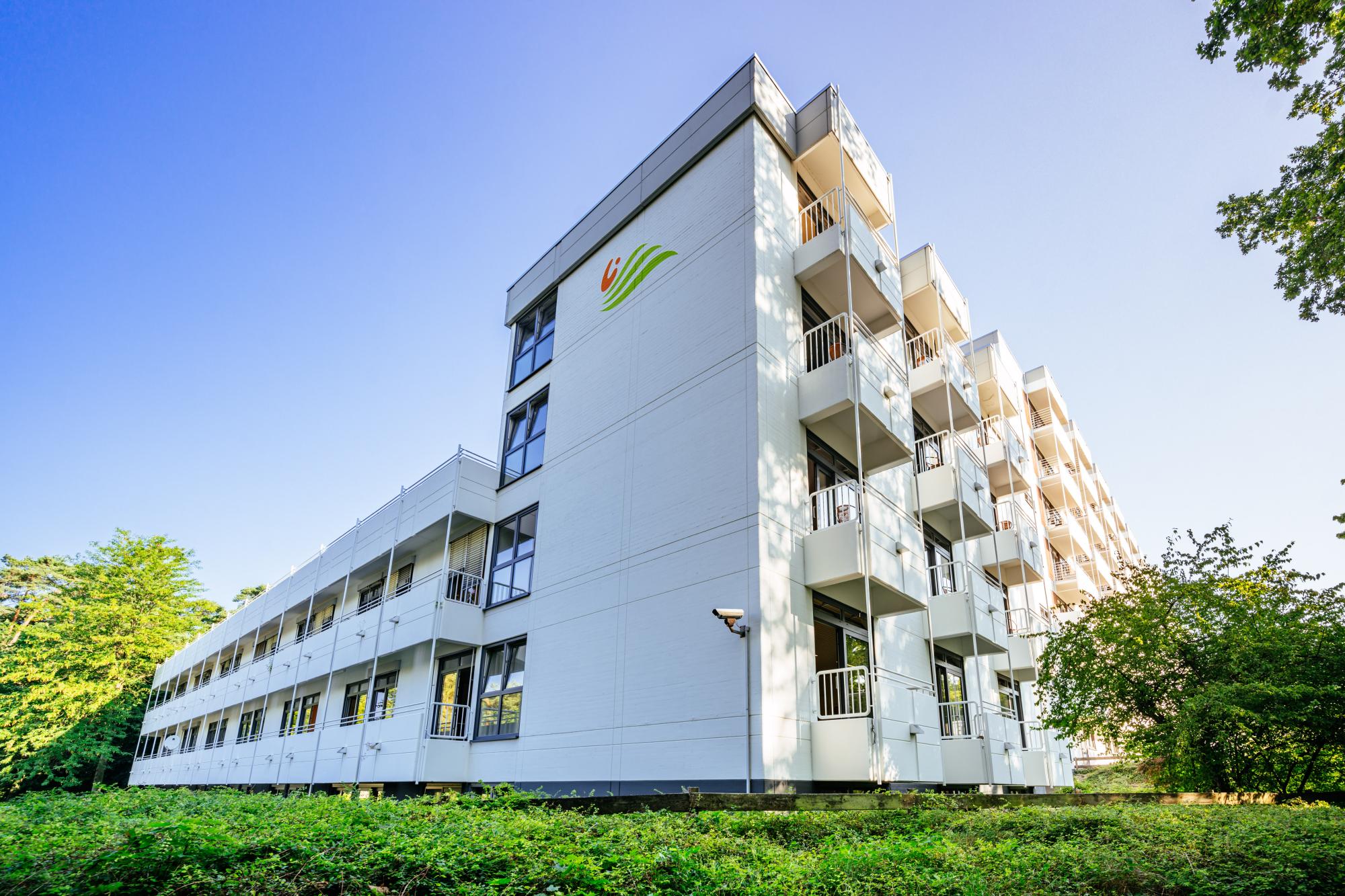
The Martinusquelle Clinic is a traditional rehabilitation clinic for pneumology and cardiology in Bad Lippspringe. Its buildings, which are over 50 years old and therefore inadequately insulated, are now being renovated to improve their energy efficiency: Central parts of the building are being modernized, the heating and ventilation technology renewed and the insulation of the outer shell improved in order to massively reduce heat loss. The thermal swimming pool and sports hall belonging to the clinic are also included in the refurbishment. This will improve the efficiency of the technology and significantly reduce the Martinusquelle Clinic's CO₂ emissions.
Thermal spring with dual benefits
The rehabilitation clinic is taking advantage of the special properties of its namesake, among other things: The Martinus spring with its high temperature level not only feeds the thermal swimming pool. It also serves as a natural heat source for a heat pump. At the same time, the high-temperature waste heat from a new data center cluster can be used for heating. This combination of local geothermal energy and industrial waste heat - a rarity in NRW to date - serves as a model. Together with the switch to renewable energy sources, it combines high energy efficiency and resource conservation - an important step on the way to climate neutrality.
Model for sustainable transformation
With this project, Martinusquelle Hospital is contributing to the implementation of climate targets in North Rhine-Westphalia and can serve as a model for other healthcare facilities. The refurbishment will show how cost-effectiveness, security of supply and environmental protection can be combined in everyday hospital life. The experience gained in Bad Lippspringe can provide impetus for further energy modernizations in the healthcare sector.