Circular.office - circular economy for the office and working environment
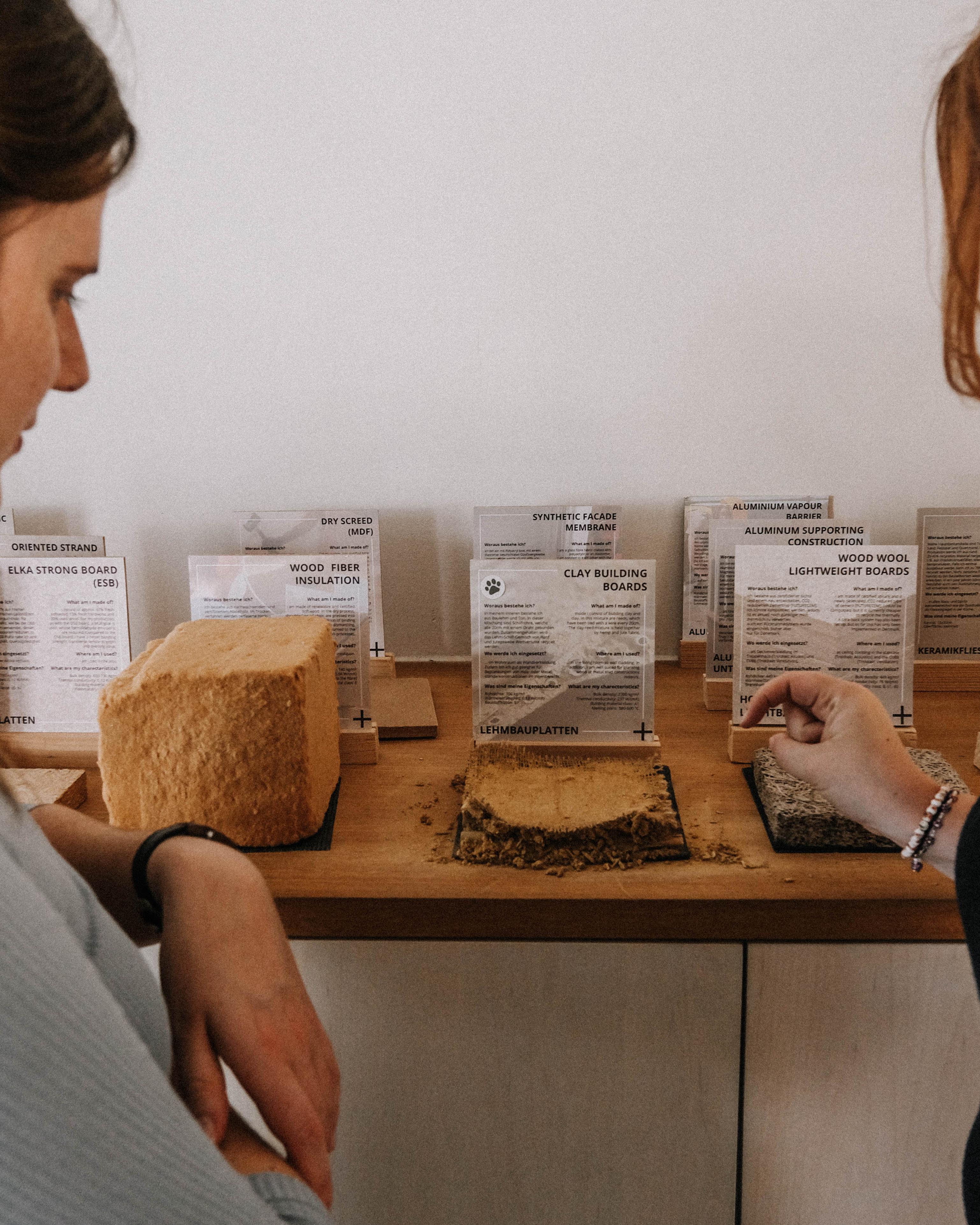
The Circular.office project shows how sustainable and circular office furnishings can work in practice. In the Circular Office Lab in Wuppertal, innovative solutions for the circular economy are being developed, tested and established as a model for companies and regions throughout Europe.
Challenges for the office furniture industry
The transition to a circular economy is crucial to reducing resource consumption, emissions and environmental impact. The furniture industry - not least the office furniture segment - is also facing major challenges: Many products are not yet recyclable, and there is a lack of knowledge, structures and incentives for circular solutions. At the same time, pressure is growing due to rising raw material prices, supply bottlenecks and new requirements such as sustainability and "new work". This is where the Circular.office project comes in to develop knowledge, strategies and solutions for sustainable and circular office furnishings. It addresses a new, relevant target group in the Bergisch city triangle (Wuppertal, Solingen, Remscheid) with the office furniture industry.
Future-proof working environments
The heart of the project is the physical Circular.office lab in Wuppertal: a real office environment that optimizes resource cycles and enables innovative solutions for an environmentally friendly way of working. Interested companies can find out how they can set up circular office and working environments in a more sustainable and circular way. As young professionals in particular are looking for sustainable and modern working environments, the attractiveness of the location is increasing. The Circular.office project deals with specific questions from the participating companies: How can product take-back processes be designed, how can reuse sales models be set up and how can products be designed in a circular way? Circular.Office is helping to make the region's service and administration sectors fit for the future and establish the circular economy as a driver of innovation.
European integration and international cooperation
The various partners contribute international experience, expertise and contacts to the project - for example through Götessons (Sweden), Assmann (cooperation with England) and Object Carpet (active in the Netherlands and Austria). Circular.office implements the objectives of the European Green Deal and the EU Circular Economy Action Plan at regional level. It serves as an example of best practice that can be adapted throughout Europe and makes the EU visible in NRW as a shaper of a resource-conserving working world.