GeoIT - A digital human-environment student laboratory
The aim of the GeoIT project at the University of Wuppertal is to explore current physical-geographical and IT topics related to sustainable development through experiments and thus develop STEM skills, especially among girls and young women. In a so-called human-environment student laboratory, participants investigate topics such as climate change in large cities, digitalization in agriculture and renewable energies. In this way, an innovative extracurricular learning location for children and young people has been created in Wuppertal, which contributes to sustainable regional development in the Bergisch city-triangle.
Data collection using drones
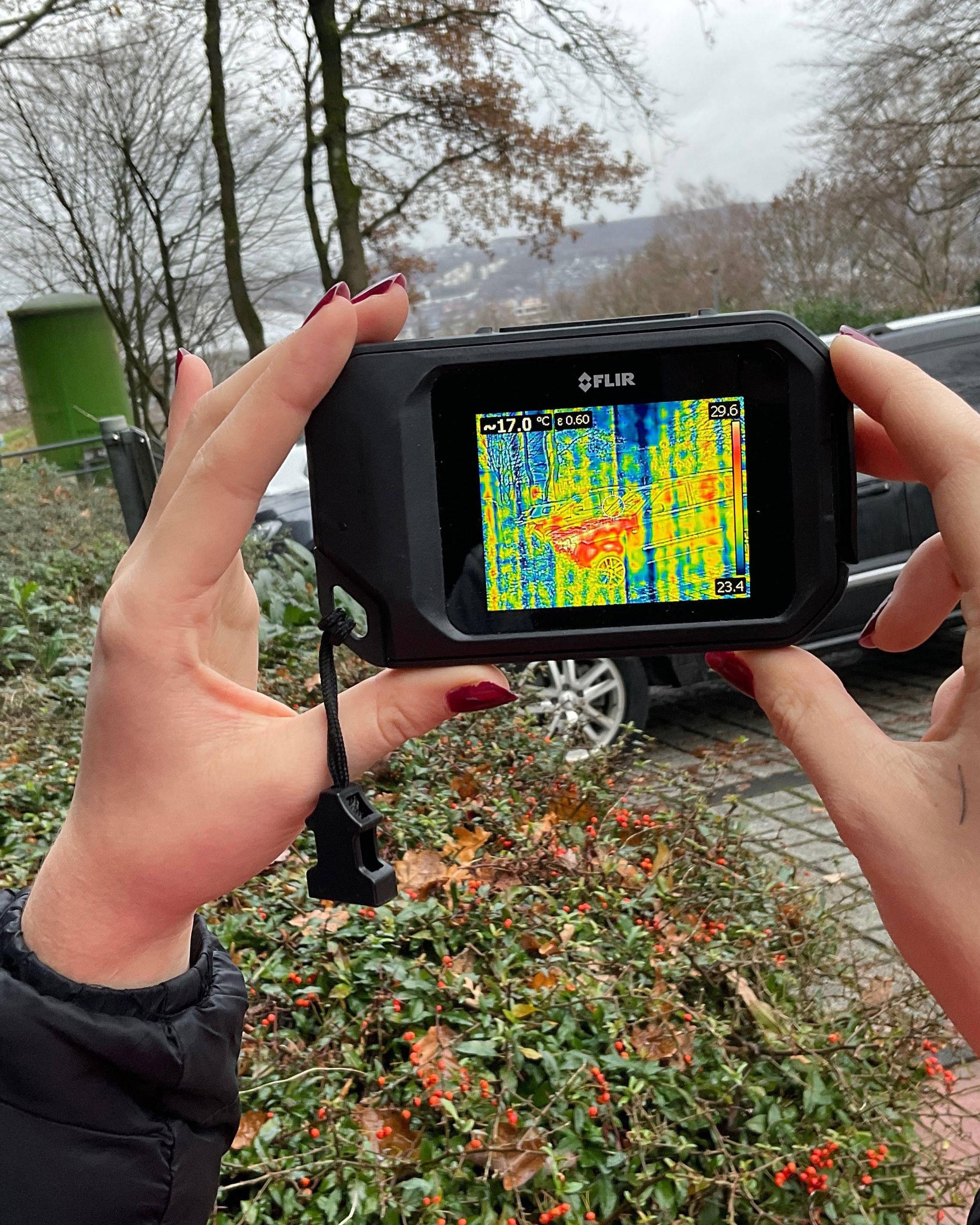
The respective modules and topics are offered for school classes and other groups of pupils from year 9 upwards. The focus is particularly on the use of digital geomedia and information technologies to independently develop the scientific principles and document physical-geographical conditions. To this end, the students, under supervision, equip various unmanned aerial systems (UAS) or drones with different camera systems (digital, thermal and multispectral cameras) and use them to collect data.
Interdisciplinary analysis
A subsequent evaluation and visualization of the data with geographic information systems (GIS) trains not only geographical and scientific knowledge but also IT skills. In addition to drones, microcontrollers with environmental sensors are also used to collect data. The children and young people then analyze the collected information from a social perspective in order to understand the impact of their own everyday actions on the living environment and to achieve a willingness to act for sustainable development.
Inspiration for STEM
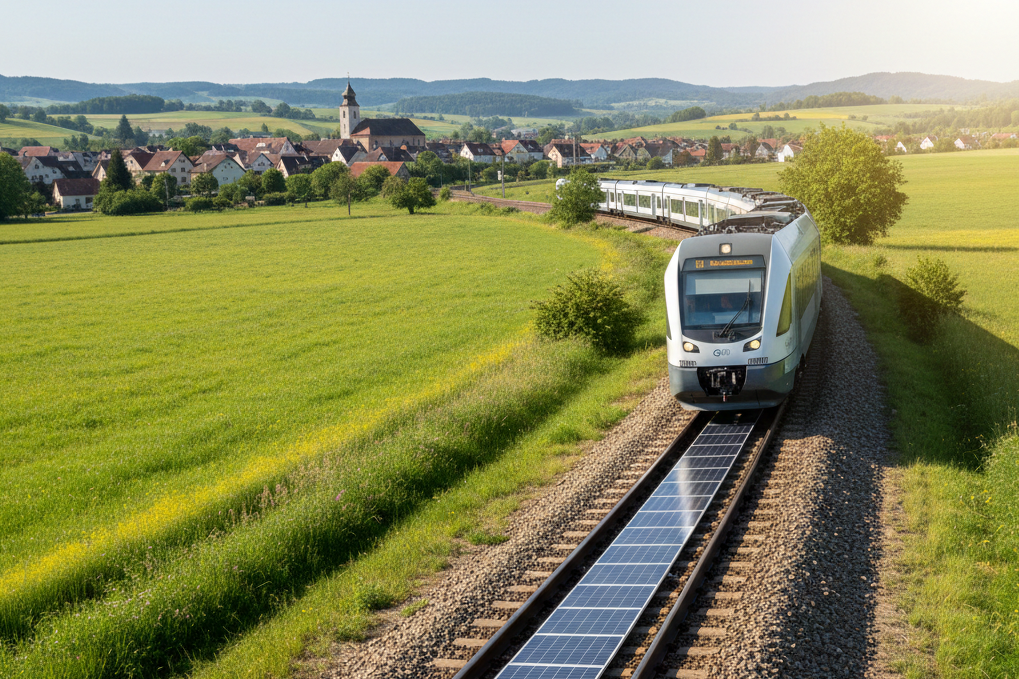
GeoIT consists of four different modules: "Heat Island City", "Smart Farming", "Renewable Energies" and "From Wuhan to Wuppertal: How Covid-19 is changing the world - A geographical analysis of the pandemic with GIS". The excellent feedback from participants so far and the young people's enthusiasm for STEM subjects have encouraged the staff at the Institute of Geography at the University of Wuppertal to support the long-term fight against the shortage of skilled workers and to strengthen the role of women in the STEM sector. They are also confident that they can drive forward the ability to act within the framework of sustainable development in the region.