FlexiEnergy - Design of energy networks
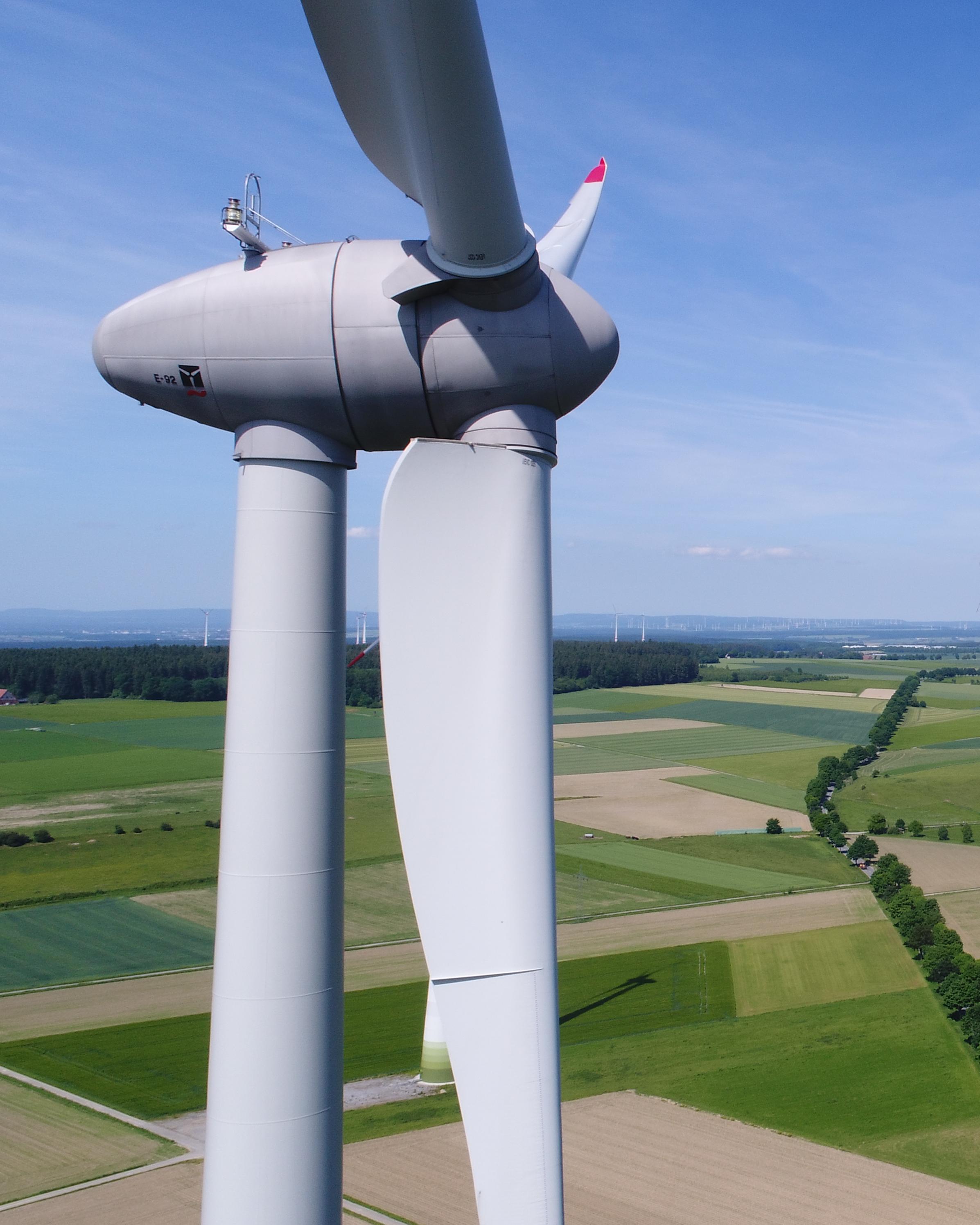
The global demand for energy is increasing. At the same time, fossil fuels such as oil and gas are not only limited - their use prevents us from achieving climate protection targets and limiting global warming. This is why generating electricity from renewable energy sources such as wind and solar power is becoming increasingly important. However, the question arises as to how the future energy system can be designed in view of increasingly volatile electricity generation.
Recommendations for grid design
Cross-sector planning of energy grids - i.e. integrated consideration of electricity, gas, district heating and mobility - offers the opportunity to exploit synergies between different energy sources and to design energy systems that are both more cost-efficient and lower in CO2 emissions. This will ensure the stability of the grids in the future. However, integrated planning also increases the complexity of planning, as many uncertain influencing factors and their interactions as well as the different interests of stakeholders such as supply companies, grid operators and politicians must be taken into account in the planning process.
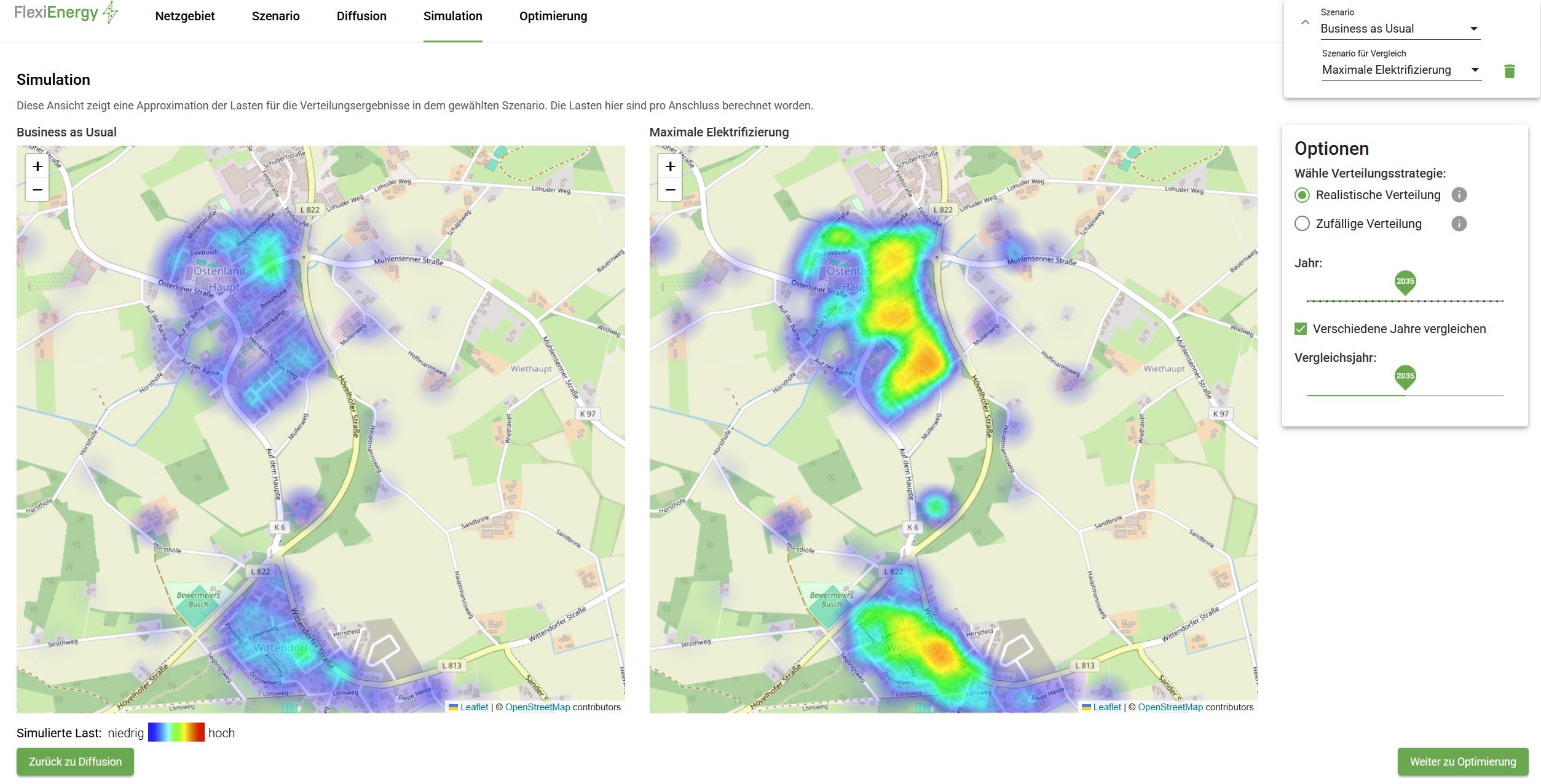
This is why the partners University of Paderborn (represented by the SICP and the NEK), the Rechenzentrum für Versorgungsnetze Wehr GmbH, UNITY AG, WestfalenWIND GmbH, Westfalen Weser Netz GmbH and the Energie Impuls OWL association have set themselves the goal of developing a decision support system with the FlexiEnergy project that supports all stakeholders in this planning and transformation process and provides recommendations for the design of energy systems. In addition to recommendations for grid design, suggestions for the design of business and tariff models as well as regulatory policy recommendations were also identified.
Transparent mapping of influencing factors
The first step in the project was to develop a knowledge system that maps the complex and uncertain influencing factors, including their interactions, and presents them transparently for decision-makers. Various future scenarios are derived from this, which make it possible to consider different options for action within the decision-making process. In addition, simulation and optimization models were developed for the integrated planning of the electricity, gas, heat and mobility sectors so that the most robust and flexible grid design solutions possible can be identified.
Innovative business and tariff models
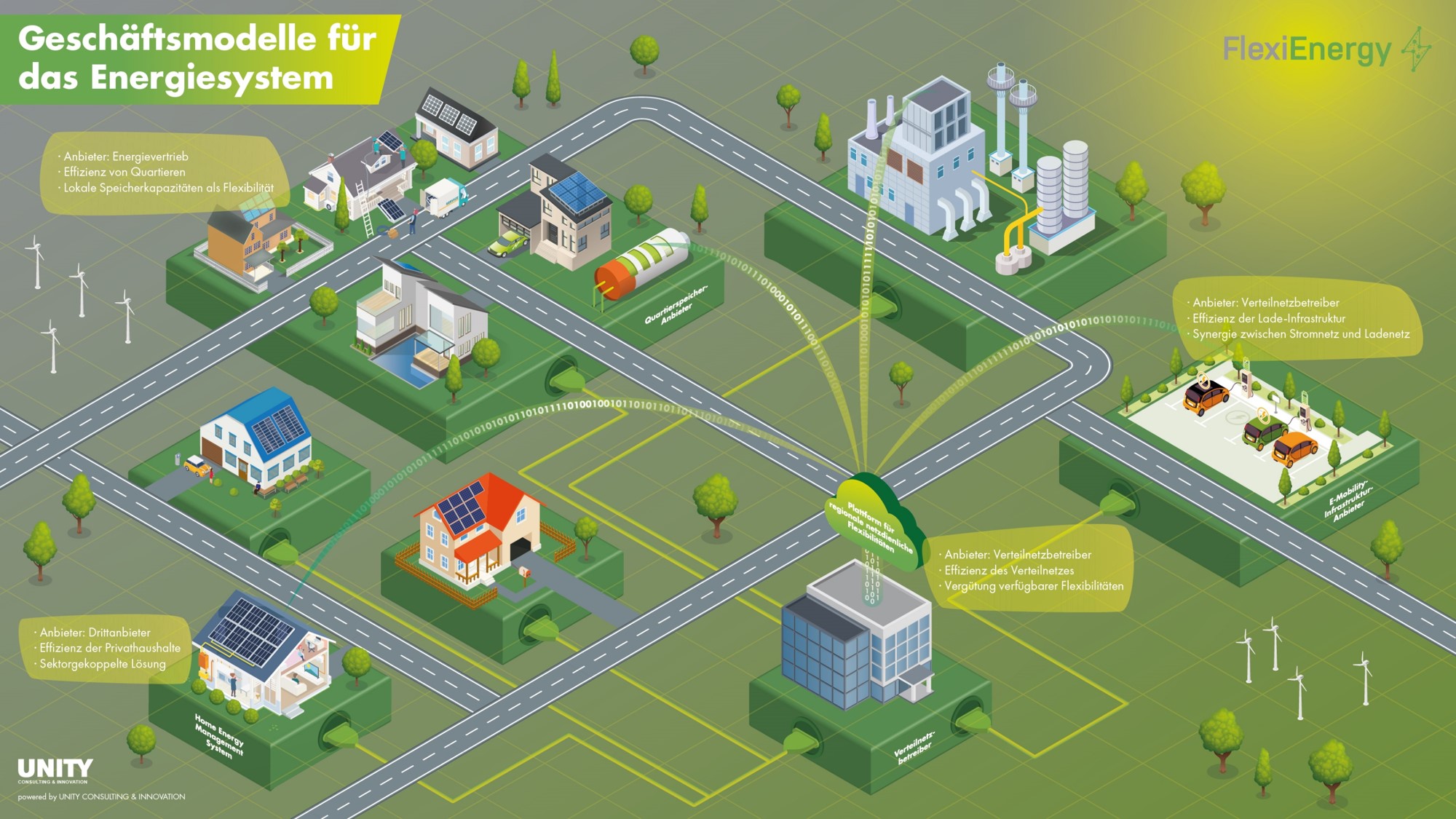
The project partners assume that the energy transition will shift value creation shares and give rise to new market roles and business areas. The project therefore also focused on the development of innovative business and tariff models that are aimed at so-called "prosumers" (a consumer who is also a producer), for example, or that address new concepts such as district grids and tenant electricity models.
The methods developed were subjected to a practical test using the decision support system implemented on the basis of case studies by the project partners involved. This resulted in specific recommendations for action for grid operators, energy supply companies and policymakers.