EnerScale - Solar films for the Internet of Things
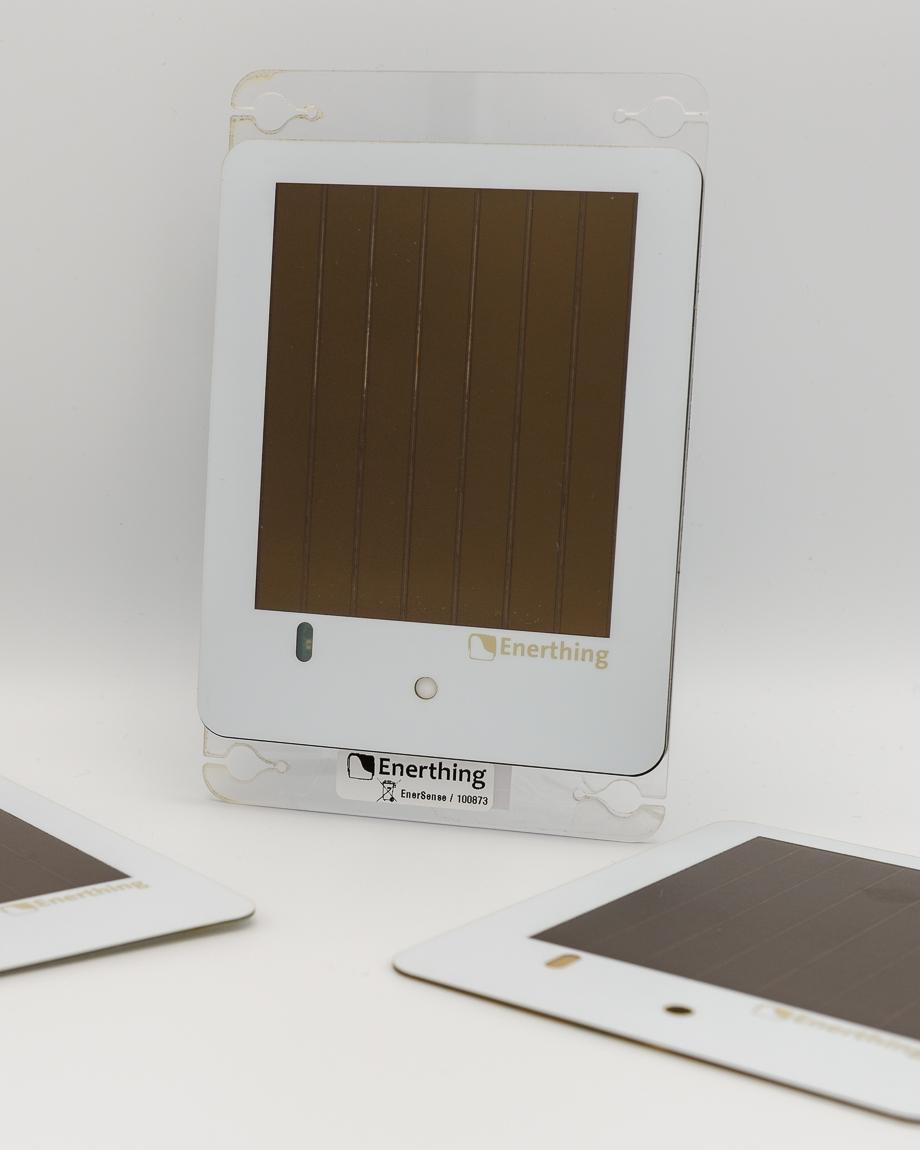
The aim of the EnerScale project was to develop and mass-produce lightweight, affordable and versatile solar films that can be used not only on roofs but also indoors. The films are intended to make a contribution to the fight against climate change. Because their use helps to avoid climate-damaging CO2.
Flexible and printed solar modules
Photovoltaics is an ecologically sustainable form of energy generation and an important building block in the fight against climate change. The more flexible and versatile the technology can be used, the more effective its impact. For this reason, many companies are working on alternatives to the conventional and rigid solar modules that are currently mainly found on building roofs.
In order to make a decisive contribution to clean energy generation in the future, new and scalable solar modules must be developed. This is why the EnerScale project, funded by the EU and NRW, set itself the goal of achieving cost-effective, green and ubiquitous power generation using lightweight, flexible and printed solar modules.
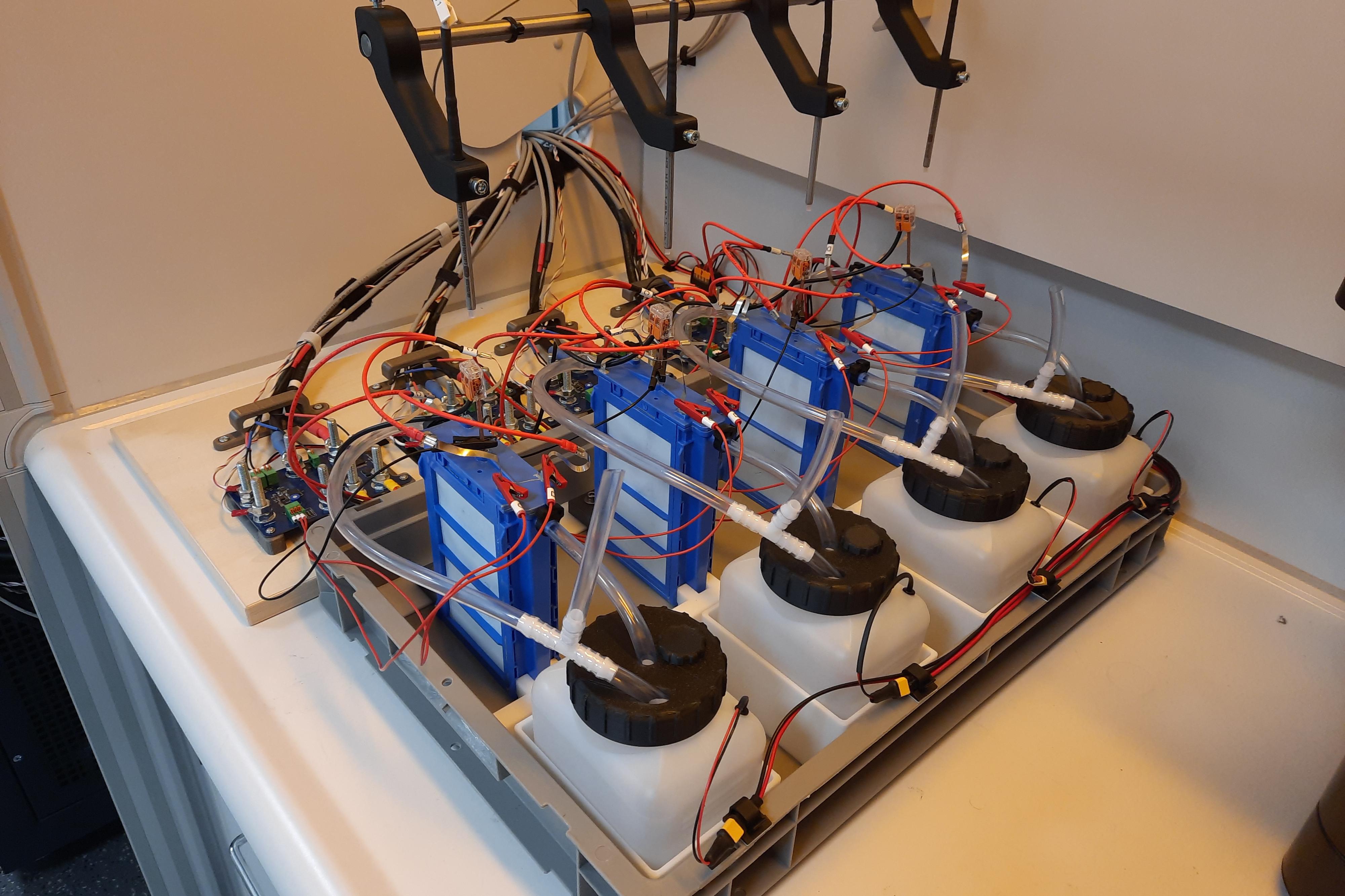
The project partners - Enerthing GmbH, Forschungszentrum Jülich and the Zentrum für organische Elektronik Köln (ZOEK gGmbH) - primarily wanted to research how such solar films can be mass-produced. Other fundamental questions included cell architectures, material development and optimized process parameters to demonstrate scalability into modules.
Versatile, sustainable energy
The production of so-called thin-film solar cells (TFCs) planned in the EnerScale project is not only economical, but also climate-friendly. The low weight and mechanical flexibility open up new possibilities for use, for example on flat roofs with low load-bearing capacity. In the long term, applications on facades are also conceivable due to the semi-transparency and design options. In such innovative applications, for example, a solar area of 10,000 square meters can save around 480 tons of CO2 per year.
Adapted to the artificial light indoors, the solar films are also suitable for operating Internet of Things devices. Fields of application here include sensors for smart buildings or Industry 4.0. 10,000 square meters of photovoltaic film can operate around one million IoT sensors. By eliminating energy-intensive primary batteries, 200 tons of CO2 can be saved per year.
Thanks to the reduced use of materials and energy-efficient production process, resource-saving production and short amortization of the energy used are achieved. EnerScale thus contributed and continues to contribute directly to the goals of a modern energy economy and to the climate and environmental protection goals of North Rhine-Westphalia.