Bergische Rohstoffschmiede - Research and innovation for the sustainable use of resources in the Bergisches Land region
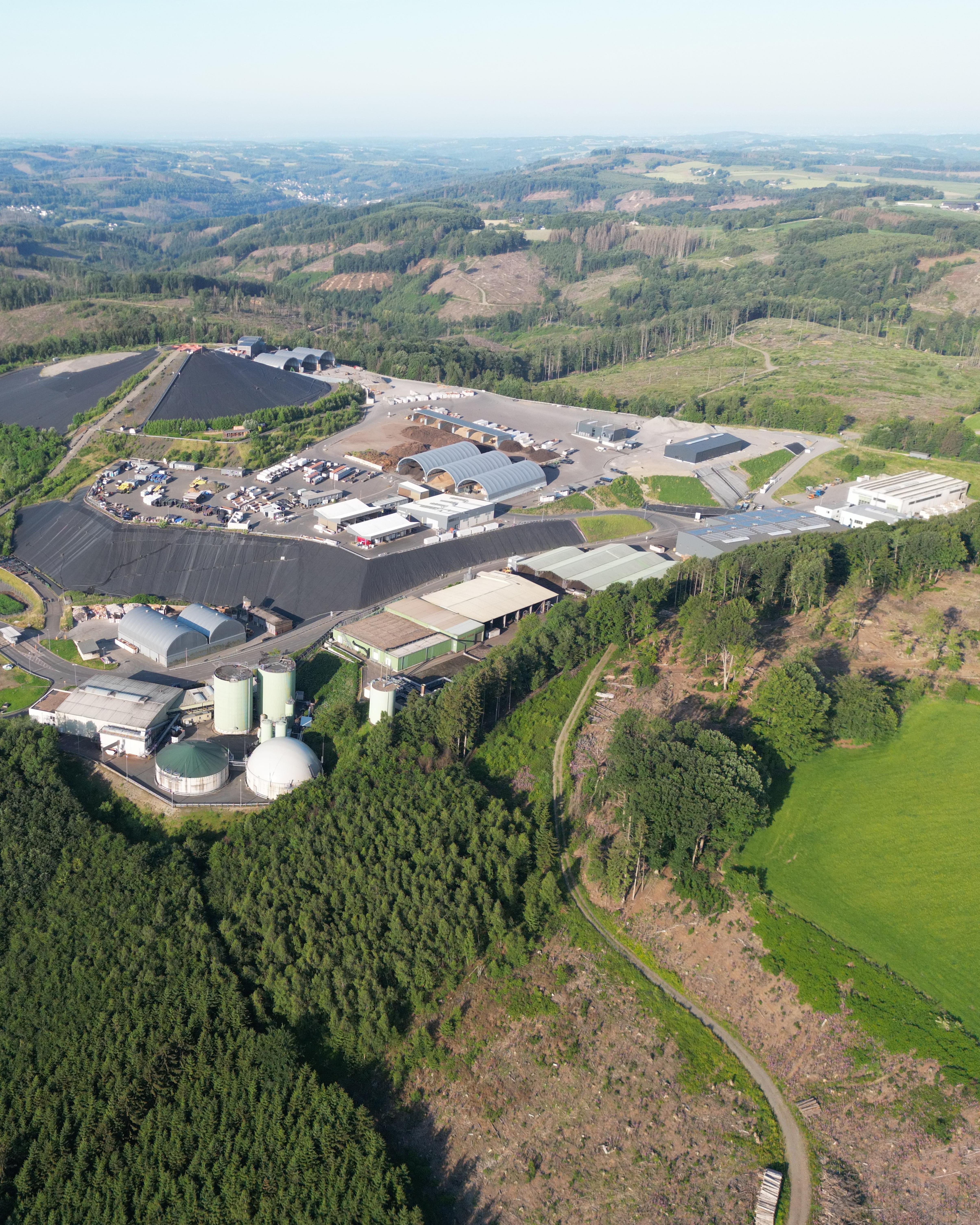
With the :bergische rohstoffschmiede, the Bergische Abfallwirtschaftsverband (BAV) and the Technische Hochschule (TH) Köln are implementing a research and transfer project for circular transformation in the Bergisches RheinLand region. At the project site of the Leppe waste disposal center in Lindlar, a center is being created to research, test and transfer new solutions for the resource-saving use of raw materials into practice. The focus is on the development of a scientifically sound and application-oriented system for sustainable resource management in the region.
Research, development and
technology transfer for the region
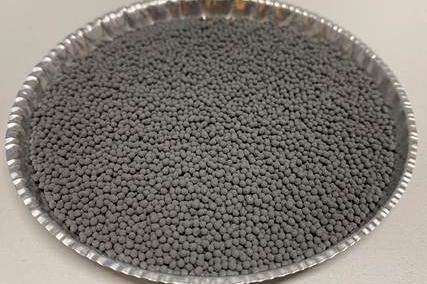
The aim of :bergische rohstoffschmiede is to support small and medium-sized companies in the Bergisch Rhineland in the efficient and sustainable use of materials and energy in the sense of circular value creation. The focus is on the extraction of high-quality secondary raw materials through the targeted processing of organic waste, construction waste, plastics and composites as well as process water. Stakeholders from science and industry in the region work closely together to achieve this. Cologne University of Applied Sciences contributes its expertise in research and development for innovative processes in the circular economy, while the BAV develops and implements formats for knowledge transfer and the strengthening of expertise in the direction of companies. This results in tangible approaches for companies and other regional institutions, which are tested and implemented as part of the project.
Contribution to the circular economy and
regional value creation
In this way, the project makes a significant contribution to securing and expanding value creation potential in the Bergisches RheinLand region. At the same time, it strengthens the transfer of knowledge and technology between universities, research institutions and the regional economy. The systematic combination of research, demonstration and regional practical testing creates a scalable approach that is a role model for the transformation to a circular economy beyond the Bergisches Land region.