EnerPrax - Energy storage of the future
The energy transition is a key challenge of our time - and in particular, it is important to ensure that the electricity grid is stable. The integration of renewable energies leads to fluctuations - for example, when electricity production is higher than demand. This can happen quickly on a sunny and windy day when the many photovoltaic and wind energy systems supply more green energy than is currently needed. Storage technologies can help here. They absorb surplus electricity, store it for later use and thus reduce the load on the electricity grid. In order to promote their use, Münster University of Applied Sciences conducted research in the ERDF-funded "EnerPrax" project together with the municipality of Saerbeck, Gelsenwasser AG, Gas- und Wärme-Institut e.V., SaeVE and Stadtwerke Münster, SaeVE and Stadtwerke Lengerich to determine which combination of storage options is optimal for different requirements and generation volumes.
Simulation
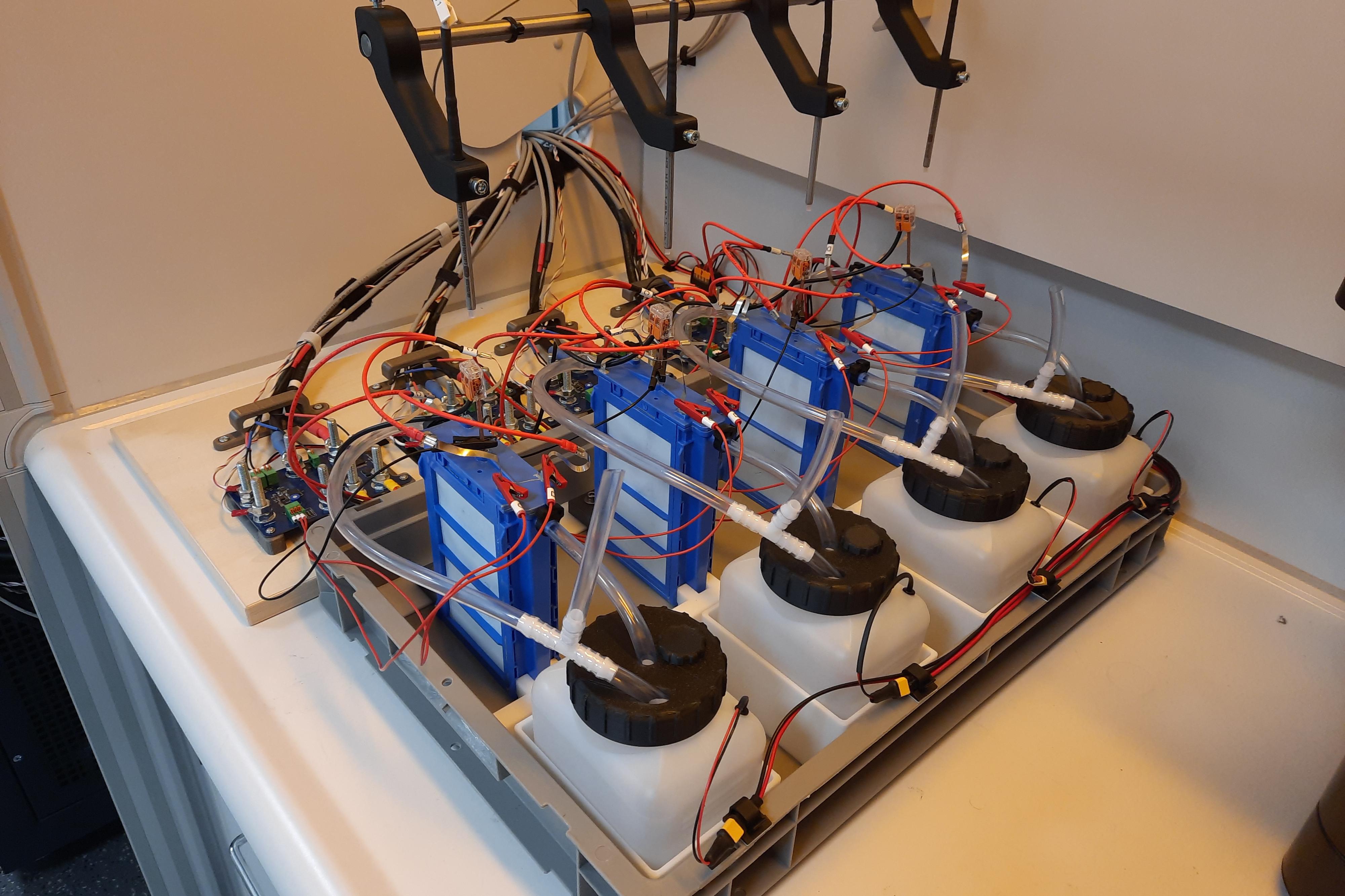
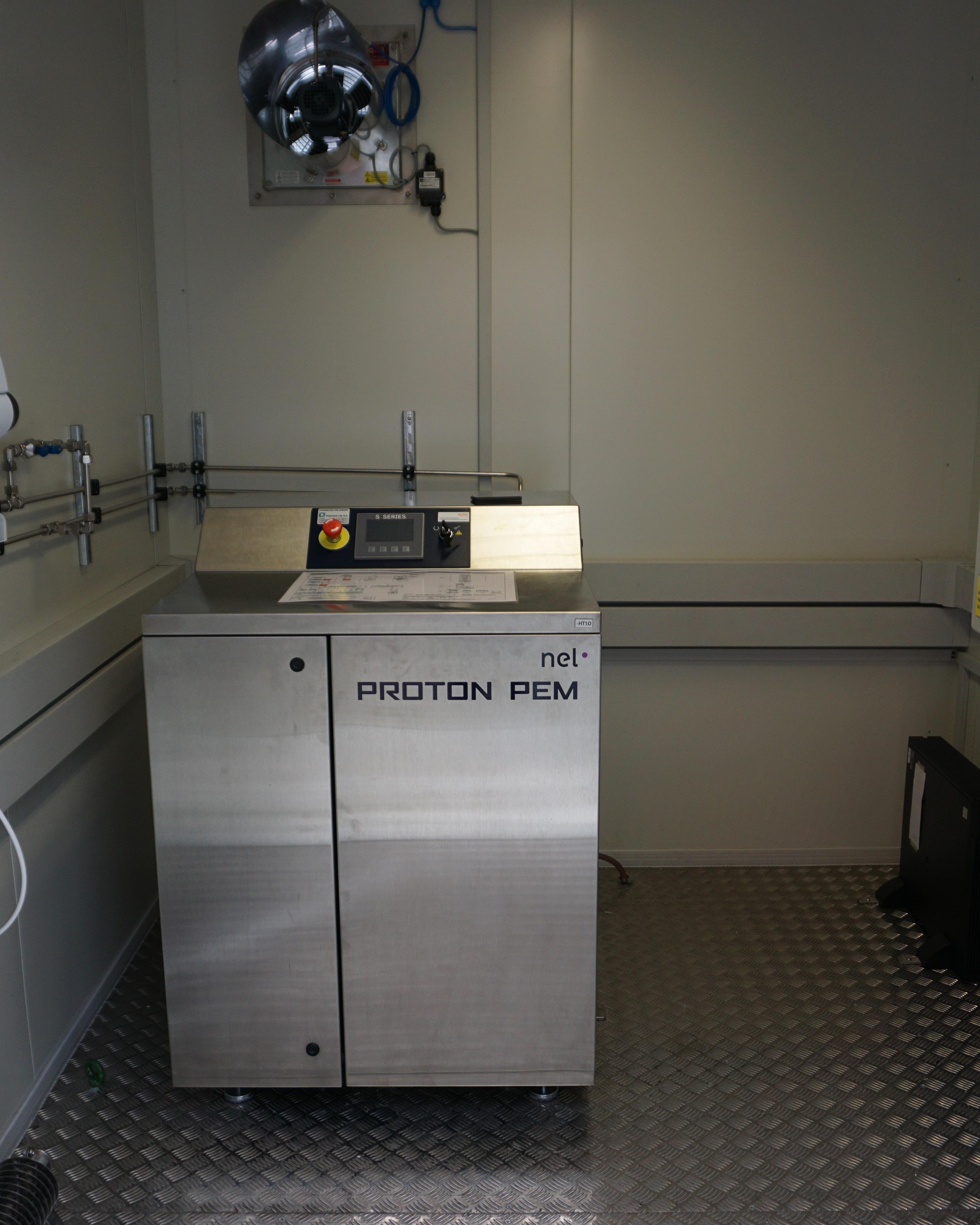
"EnerPrax" investigated the operation of energy storage systems for the Saerbeck bioenergy park in Münsterland and for comparable municipalities. The researchers selected different storage technologies in order to simulate large-scale storage operation under realistic conditions, collect data and gain experience. The choice of storage medium or method - e.g. battery storage, gas (power to gas), heat (power to heat) - is just as important as the period for which storage is to take place (short, medium or long-term storage).
A particularly big challenge is to adapt the storage systems to the high demands of the changing energy market. The storage systems must work quickly and flexibly and be able to absorb and release large amounts of energy at the same time. This requires the optimum storage combination. This is the only way to ensure the highest possible system and grid stability with a high proportion of renewable energy. This combination of several storage technologies for the subsequent feed-in of electrical energy from battery storage systems into the electricity grid or the conversion of surplus electrical energy from photovoltaics and wind energy into other forms of energy for use in other areas is also known as sector coupling.
Synchronization
The focus of the project was not on trading on the electricity exchange or the energy market, as is the case with many commercial storage projects, but rather on balancing decentralized renewable generation and local demand. Another challenge was therefore the synchronization of the various storage systems via different interfaces. The project participants also looked into the question of how the heat and fuel market could be integrated into the system. As some of the storage technologies used were still prototypes, optimization options in terms of technology, control and integration of these technologies were also considered. Aspects relating to licensing law and consideration in the grid development plan were also included in the research.
Blueprint
The aim of the EnerPrax project was to create a blueprint using the specific example of Saerbeck and to show how results can be transferred to other cities and municipalities. Because only a harmonious combination of electricity from renewable energies with flexible and powerful storage technology makes it possible to supply electricity purely from renewable sources.

802.000 Euro
EU-Fördermittel