SeRoBatt - how old hobs can become new batteries
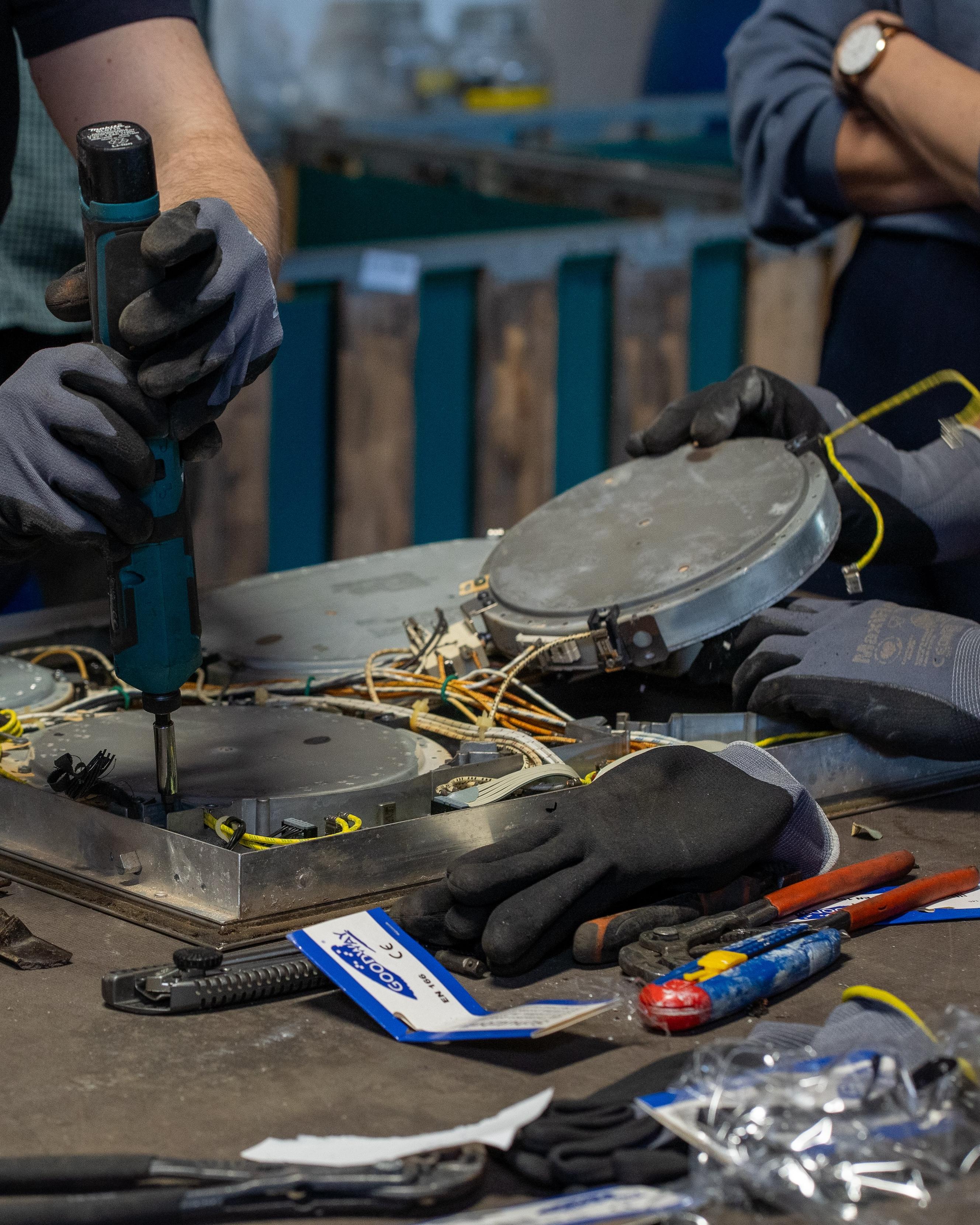
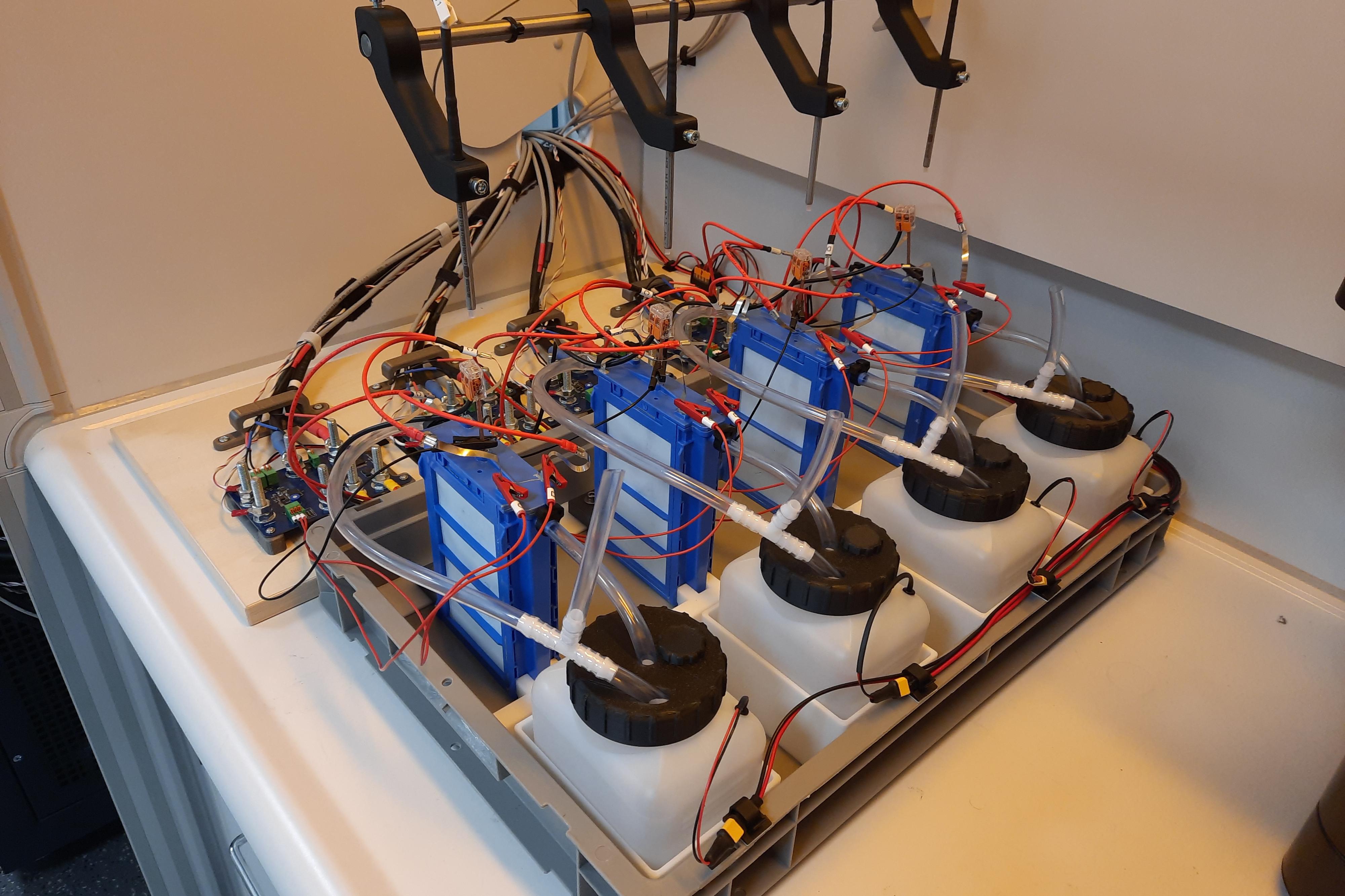
The SeRoBatt research project aims to develop new secondary raw material sources for battery cell production - in places where hardly anyone has looked so far: in everyday objects at the end of their life cycle. Using innovative recycling processes, metals such as lithium, nickel, manganese and cobalt are to be recovered and used as active materials in new battery cells.
High demand - low recycling
Until now, the material cycles have not been closed. Many end-of-life products end up in landfill sites or are exported abroad - valuable raw materials are lost because they are not collected and processed. At the same time, regulations such as the EU Battery Regulation are increasing the pressure on manufacturers to use recycled materials. However, there is a lack of used batteries and recycling capacities in Europe.
Everyday objects in focus: the underestimated source of lithium
A particular focus in the search for other sources of raw materials is on glass-ceramics containing lithium - the second largest product group with lithium content after batteries. This includes, for example, everyday objects such as glass ceramic hobs. They offer great potential for raw material recovery. The SeRoBatt project looks at the entire process: collection, dismantling, pre-treatment, recovery, resynthesis and integration into test cells. An ecological and economic assessment shows whether a circular business model is viable - also in comparison to alternative processing methods.
"Secondary raw materials map" as a guide to the future
All findings from SeRoBatt are incorporated into a "secondary raw materials map". It shows the waste management industry and battery production which material flows are suitable for recycling, where regulatory gaps exist and how the results can be transferred to other areas. SeRoBatt can make an important contribution to sustainably securing raw materials for the energy and mobility transition - and thus strengthen security of supply and climate protection in North Rhine-Westphalia.