EcoHum - Sustainable substrate alternative for horticulture
Intensive horticulture consumes a lot of peat, energy and resources for the production of substrates. The EcoHum project therefore aimed to find a sustainable substitute with a smaller ecological footprint. This is because peatlands play an important role as CO2 reservoirs and peat is therefore not suitable for continuing to form the basis for substrates. In addition to peat, rock wool or coconut fibers are often used as growing media. Their use should also be reduced: The major disposal problems of rock wool and the high environmental impact of coconut fibers in the countries of origin disqualify them as sustainable growing media.
Horticulture in Europe needs a reorientation
In order to remain competitive in the long term, intensive horticulture in Europe needs a reorientation with alternatives that are both economically and ecologically convincing. At EcoHum, the University of Bonn, together with the company HGoTECH GmbH and the bio innovation park Rheinland e. V., has developed substrates and carried out tests to find a substrate mixture of grass-like biomass and biogenic residues. The aim was to develop a growing medium that could supplement current substrate mixtures in certain areas of commercial horticulture and even replace them in the medium to long term.
Different substrates
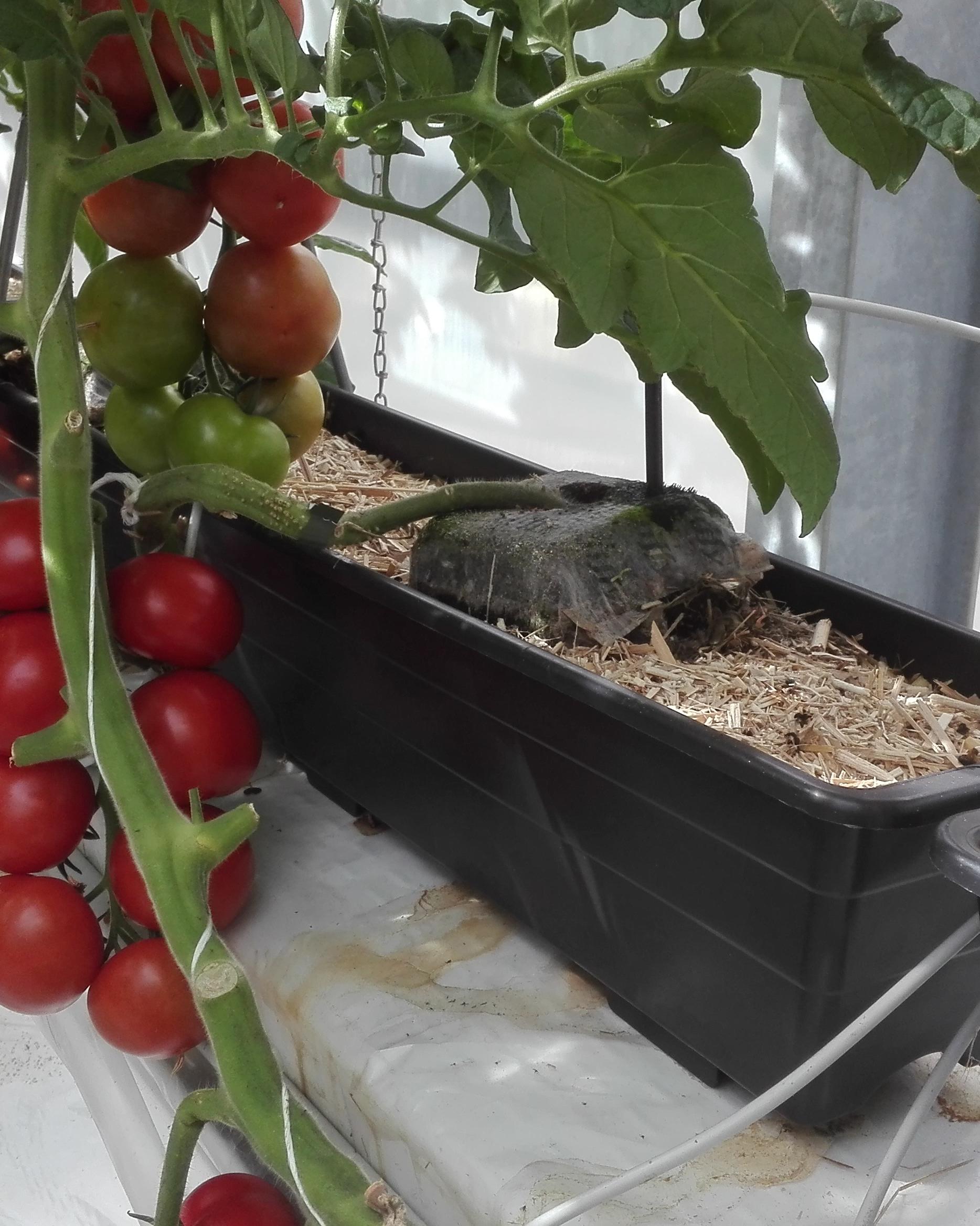
The project team specifically focused on the renewable raw materials Miscanthus and Silphium as well as other residual materials and uncontaminated waste. Based on existing preliminary tests and experience, three different substrates for common applications were to be developed for series production: Substrates with a higher density for nursery containers, lighter substrates with good water drainage for cultivation under plastic sheeting (strawberries, herbs) and a particularly structurally stable material for vegetable cultivation under glass (tomatoes, peppers, cucumbers).
Positive influences on the environment
These substrates have a number of positive influences on the environment. Among other things, they protect wetlands and reduce CO2 emissions when less peat is extracted. They reduce energy consumption when fewer rockwool substrates are produced. And if the renewable raw materials are cultivated for several years, they increase biodiversity - through more insects, spiders and birds, among other things. There is also a positive effect on the economy, as new jobs are created in North Rhine-Westphalia for the production and sale of the substrates.